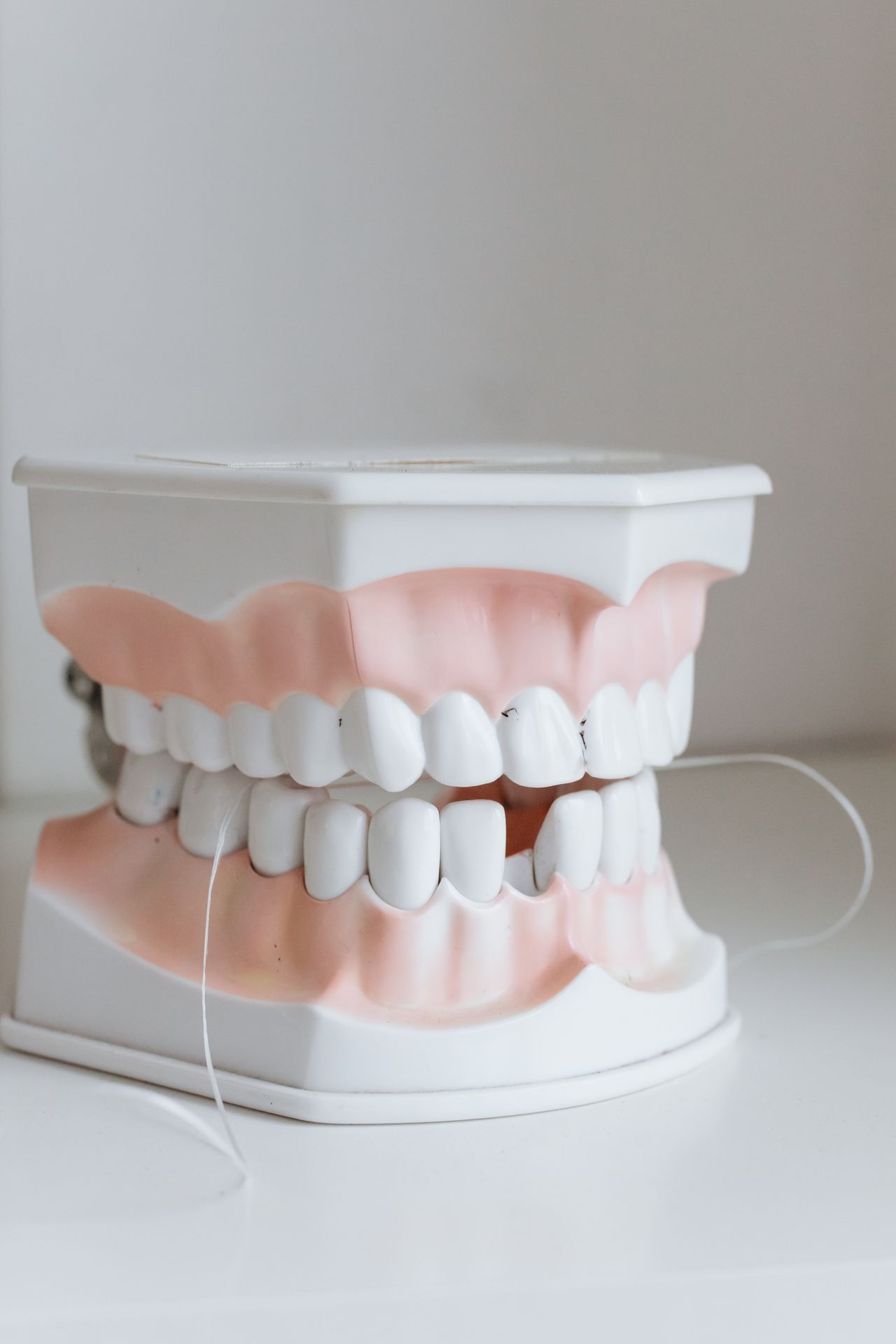
You wake up and your jaw feels tight. There’s a dull headache behind your temples. Your partner mentions a strange squeaking sound coming from your side of the bed at 2 a.m. If any of this sounds familiar, you may be one of the many patients we see at Burnaby South Dental in Highgate who grind or clench their teeth at night — often without knowing it.
Teeth grinding (the clinical term is bruxism) is one of the most underdiagnosed dental problems we treat at our clinic at 6975 Kingsway. Most people only find out when a dentist spots the damage — flattened molars, hairline cracks, worn enamel — during a routine checkup. The good news: it’s very treatable, and catching it early can save you thousands of dollars in crowns, root canals, and repairs down the road.
Signs You’re Grinding Your Teeth at Night
Because bruxism happens while you sleep, you have to look for the clues it leaves behind:
- Morning jaw soreness or tightness, especially near your ears
- Dull headaches that start at your temples when you wake up
- Teeth that look flatter, shorter, or chipped along the biting edges
- New tooth sensitivity to hot, cold, or sweet foods
- Clicking or popping in your jaw when you chew or yawn
- A partner who hears grinding or squeaking sounds at night
- Scalloped edges on your tongue or bite marks inside your cheeks
Even a few of these signs are worth mentioning at your next visit. During a checkup at our Highgate clinic, we examine wear patterns on your enamel — grinding leaves a signature a dentist can spot in seconds.
Why Grinding Is Worse Than It Sounds
Your jaw muscles are among the strongest in your body. When you clench at night, there’s no food to cushion the force — it’s tooth against tooth, sometimes for hours. Over months and years, that pressure causes:
Worn and cracked teeth. Enamel doesn’t grow back. Once grinding wears through it, teeth become sensitive, decay-prone, and more likely to crack — and a cracked molar often means a crown or root canal.
Damaged dental work. Fillings, crowns, veneers, and implants all take the same nightly beating. We regularly see patients whose grinding shortened the lifespan of otherwise excellent dental work.
TMJ problems. Chronic clenching strains the temporomandibular joint, leading to jaw pain, restricted opening, and clicking that can become permanent without treatment.
Headaches and disrupted sleep. Bruxism is closely linked to tension headaches and poor sleep quality — for you and whoever shares your room.
What Causes Teeth Grinding?
For most adults, the biggest driver is stress and anxiety — deadlines, finances, life in a busy city. We also see grinding linked to sleep apnea and snoring, misaligned bites, caffeine or alcohol in the evening, and certain medications. Kids grind too — many outgrow it, but it’s worth having a family dentist monitor it at regular checkups.
The Fix: A Custom Night Guard
The most effective, non-invasive treatment for nighttime grinding is a custom-fitted night guard — a slim, durable appliance worn while you sleep. It doesn’t stop the grinding habit itself, but it absorbs the force so your enamel doesn’t have to.
Here’s how it works at Burnaby South Dental:
- Exam first. We check your teeth, jaw joints, and bite to confirm bruxism and rule out related issues like sleep apnea.
- Impressions or digital scan. Taking a mould of your teeth takes just a few minutes.
- Custom fabrication. Your guard is made to fit your bite exactly — slim, comfortable, and far more wearable than bulky drugstore versions.
- Fitting and follow-up. We fine-tune the fit and check it at your regular hygiene visits.
Custom Night Guard vs. Drugstore Boil-and-Bite
Pharmacy boil-and-bite guards cost less upfront, but they’re bulky, fit poorly, and often end up on the nightstand instead of in your mouth. Some can even shift your bite over time. A custom guard from your dentist typically costs a few hundred dollars, lasts years with proper care, and — most importantly — actually gets worn. Compared to the cost of repairing even one cracked molar, it’s one of the best investments in dentistry.
Does Insurance or CDCP Cover Night Guards?
Many extended health plans in BC cover night guards partially or fully, and coverage for bruxism appliances may also be available under the Canadian Dental Care Plan (CDCP) depending on your eligibility. We’re happy to accept CDCP at Burnaby South Dental — our front desk team can check your coverage and help you understand your costs before any treatment begins. Just bring your plan details to your visit or call us at (604) 540-6000.
What You Can Do at Home
A night guard protects your teeth, but these habits help reduce grinding itself:
- Cut back on caffeine and alcohol in the evening
- Build a wind-down routine before bed to lower stress
- Avoid chewing gum and chewing on pens — daytime chewing trains jaw muscles to clench
- If you catch yourself clenching during the day, rest your tongue on the roof of your mouth with lips closed and teeth apart
- Mention snoring or gasping at night to us — grinding and sleep apnea often travel together
Don’t Wait for a Cracked Tooth
Teeth grinding damage is silent, gradual, and permanent — but it’s also one of the easiest problems to prevent. If you’re waking up with jaw pain or headaches, or you’ve noticed your teeth looking flatter or feeling more sensitive, book a checkup at Burnaby South Dental.
We’re your neighbourhood dental clinic in Highgate, at 6975 Kingsway #2, Burnaby — steps from Highgate Village and a short drive from Middlegate, Edmonds, and Metrotown. We’re open Monday to Saturday, 9:30 am – 5:00 pm, and we accept CDCP.
Call (604) 540-6000 or book your appointment online today — your teeth will thank you every morning.
Frequently Asked Questions
How do I know if I grind my teeth at night?
Common signs include waking with jaw soreness or headaches, flattened or chipped teeth, new tooth sensitivity, jaw clicking, and a partner hearing grinding sounds. A dentist can confirm bruxism by examining wear patterns on your enamel during a checkup.
How much does a custom night guard cost in Burnaby?
A custom night guard from a dentist typically costs a few hundred dollars in BC, and many extended health plans cover it partially or fully. Coverage may also be available under the CDCP depending on eligibility. We can check your coverage before treatment — call (604) 540-6000.
Are drugstore night guards as good as custom ones?
Boil-and-bite guards from the pharmacy are cheaper but bulky, poorly fitting, and often uncomfortable enough that people stop wearing them. Some can even shift your bite. A custom night guard fits your teeth exactly, lasts years, and provides reliable protection.
Can teeth grinding damage be reversed?
Worn enamel does not grow back, but further damage can be stopped with a night guard, and existing damage can be repaired with fillings, bonding, or crowns. The earlier grinding is caught, the simpler and less expensive treatment is.