Few phrases make people wince like “you need a root canal.” At Burnaby South Dental, our Highgate clinic at 6975 Kingsway, we hear the same worry every week: “Is it going to hurt?” Here’s the truth most people don’t expect — a modern root canal feels about the same as getting a filling, and it’s usually the thing that ends the pain, not causes it.
If you’ve been searching “root canal Burnaby” at 11 p.m. with a throbbing tooth, this guide is for you. We’ll walk through how a tooth gets to this point, what the appointment actually feels like, what it costs in BC (including CDCP coverage), and why saving your natural tooth almost always beats pulling it.
How a Tooth Ends Up Needing a Root Canal
Inside every tooth is a small chamber of soft tissue — the pulp — containing the nerve and blood supply. When a cavity is caught early, a simple tooth-coloured filling fixes it. But when decay is left to spread, or a tooth cracks deeply, bacteria reach the pulp and it becomes inflamed or infected. At that point no amount of brushing, salt-water rinsing, or waiting it out will reverse it.
Common paths we see at our Burnaby clinic:
- A deep cavity that “didn’t hurt” for months, then suddenly did
- A cracked or chipped tooth from an accident or from grinding
- An old, deep filling that has finally let bacteria through
- Repeated dental work on the same tooth over the years
Signs You Might Need Root Canal Therapy
Not every toothache means a root canal, but book an exam promptly if you notice:
- Lingering sensitivity — hot or cold hurts, and the pain hangs around for 30+ seconds after
- Spontaneous throbbing pain, especially pain that wakes you at night
- Pain when biting or chewing on one specific tooth
- A darkened or greying tooth
- A pimple-like bump on the gum near the sore tooth (this is an abscess draining — don’t ignore it)
- Swelling in the gum, cheek, or jaw
Swelling spreading to your face or jaw, or pain with fever, is an emergency — see our guide on what to do when it can’t wait and call us at (604) 540-6000 right away.
What a Root Canal Actually Feels Like (The Honest Version)
The root canal’s scary reputation comes from decades ago, before modern anaesthetics and rotary instruments. Here’s what actually happens at Burnaby South Dental:
- Freezing first, always. We numb the tooth completely and verify it before starting. If you’re anxious, tell us — our team works with nervous patients every day and we never rush you.
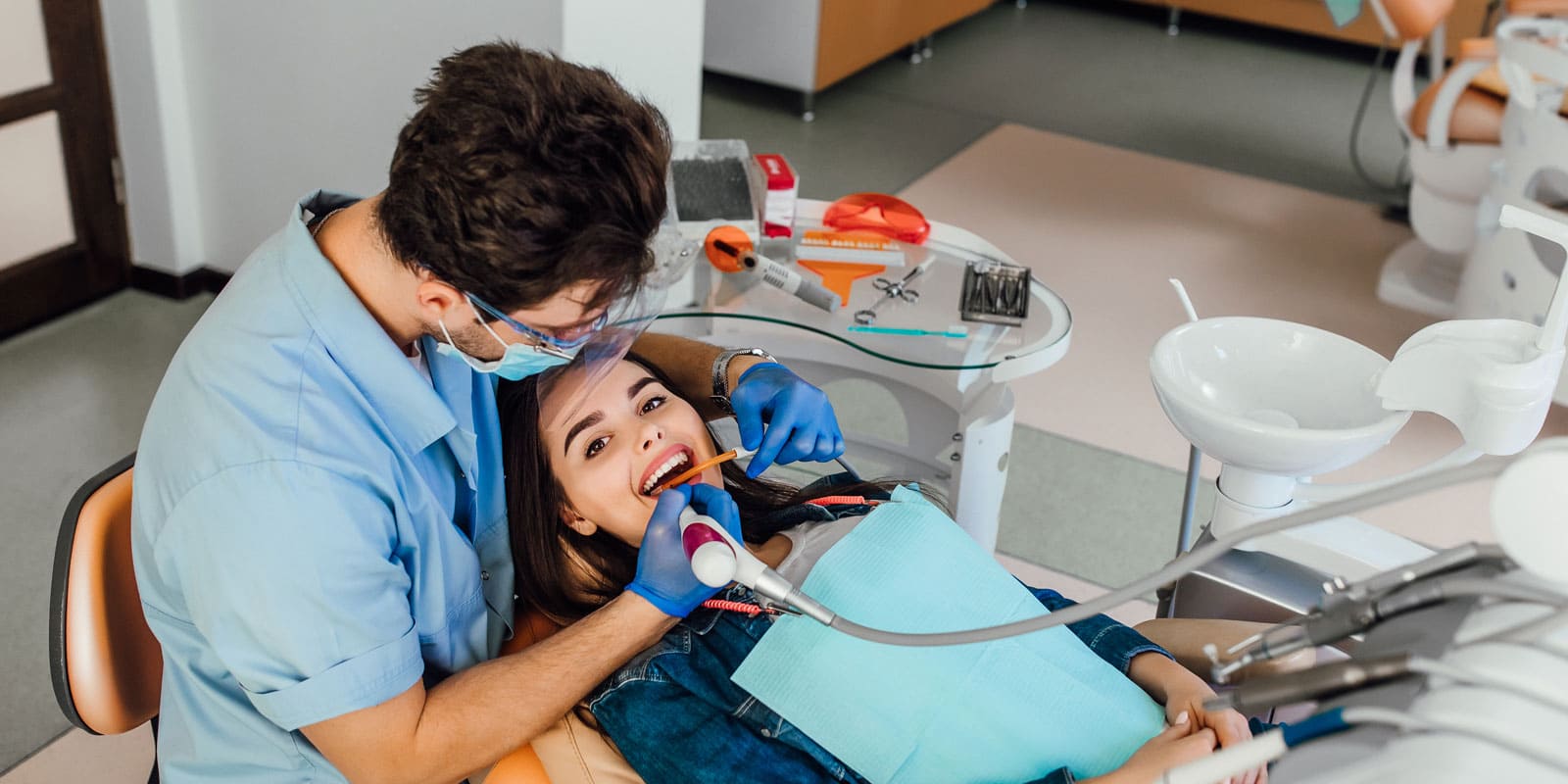
- Cleaning out the infection. Through a small opening, we remove the inflamed pulp, then clean and disinfect the canals. You’ll feel mild pressure and vibration — not pain. Most patients tell us afterward it felt like a long filling.
- Sealing the tooth. The canals are filled with a rubber-like material and the opening is sealed.
- Protecting it long-term. A back tooth usually needs a crown afterward, since a root-canalled molar is more brittle. Front teeth can often be finished with just a filling.
Most root canals take one or two visits of about 60–90 minutes. Afterward, expect a few days of mild tenderness that responds well to over-the-counter pain relief — most people are back at work or school the next day.
The part patients appreciate most: the relentless throbbing that brought them in is typically gone when the freezing wears off, because the inflamed nerve causing it has been removed.
Root Canal vs. Extraction: Why Saving the Tooth Usually Wins
When a tooth is badly infected, you generally have two options: root canal therapy or extraction. Pulling the tooth can seem simpler and cheaper — but it’s rarely cheaper in the long run. A missing tooth lets neighbouring teeth drift, changes your bite, and eventually needs replacing with an implant, bridge, or partial denture, all of which cost more than the root canal would have.
Nothing functions quite like your natural tooth. Our philosophy at Burnaby South Dental is simple: if a tooth can be saved predictably, we tell you — and if it truly can’t, we tell you that too, and walk you through replacement options honestly.
What Does a Root Canal Cost in Burnaby?
In BC, root canal fees depend mainly on which tooth is involved, because more roots means more canals to treat:
- Front teeth (1 canal): least complex, lowest fee
- Premolars (1–2 canals): mid-range
- Molars (3–4 canals): most complex, highest fee
Costs generally follow the BC Dental Association fee guide, and a crown (if needed) is a separate fee. At your exam we’ll give you a clear written estimate before any treatment starts — no surprises.
Good news for CDCP patients: root canal therapy is among the services covered under the Canadian Dental Care Plan, subject to your coverage level, and some treatments may require preauthorization. We accept CDCP at our Highgate clinic and our front desk can help you understand your coverage before you commit. We also work with most private insurance plans and offer direct billing.
Can I Just Wait and See If It Settles Down?
We understand the temptation — sometimes the pain fades for a while. But here’s what’s really happening: the nerve inside the tooth is dying, and when it dies fully, the pain often stops temporarily. The infection, however, keeps quietly spreading into the bone around the root. Weeks or months later it returns as an abscess — usually worse, sometimes on a weekend, and occasionally serious enough to affect your overall health.
A tooth that needed a straightforward root canal in July can become a tooth that needs extraction by winter. Earlier is always easier, cheaper, and more comfortable.
Root Canal FAQs — Answered by Your Highgate Dentist
Does a root canal hurt?
With modern anaesthetic, the procedure itself shouldn’t hurt — most patients compare it to a regular filling. Mild soreness for a few days afterward is normal and manageable.
How long does a root canal take?
Usually one or two appointments of 60–90 minutes, depending on the tooth and the extent of infection.
How long will a root-canalled tooth last?
With a proper final restoration (usually a crown on molars) and good home care, a treated tooth can last decades — often a lifetime.
Is a root canal covered by CDCP in Burnaby?
Endodontic (root canal) services are included under CDCP within plan limits; some may need preauthorization. We accept CDCP and can help you verify your coverage — just call us.
Can I drive home after a root canal?
Yes. Local anaesthetic only — you can drive, and most people return to normal activities the same day.
What happens if I do nothing?
The infection typically spreads, risking abscess, bone loss, and eventual extraction. Waiting almost always makes treatment more involved and more expensive.
Toothache in Burnaby? Let’s Take a Look — Gently
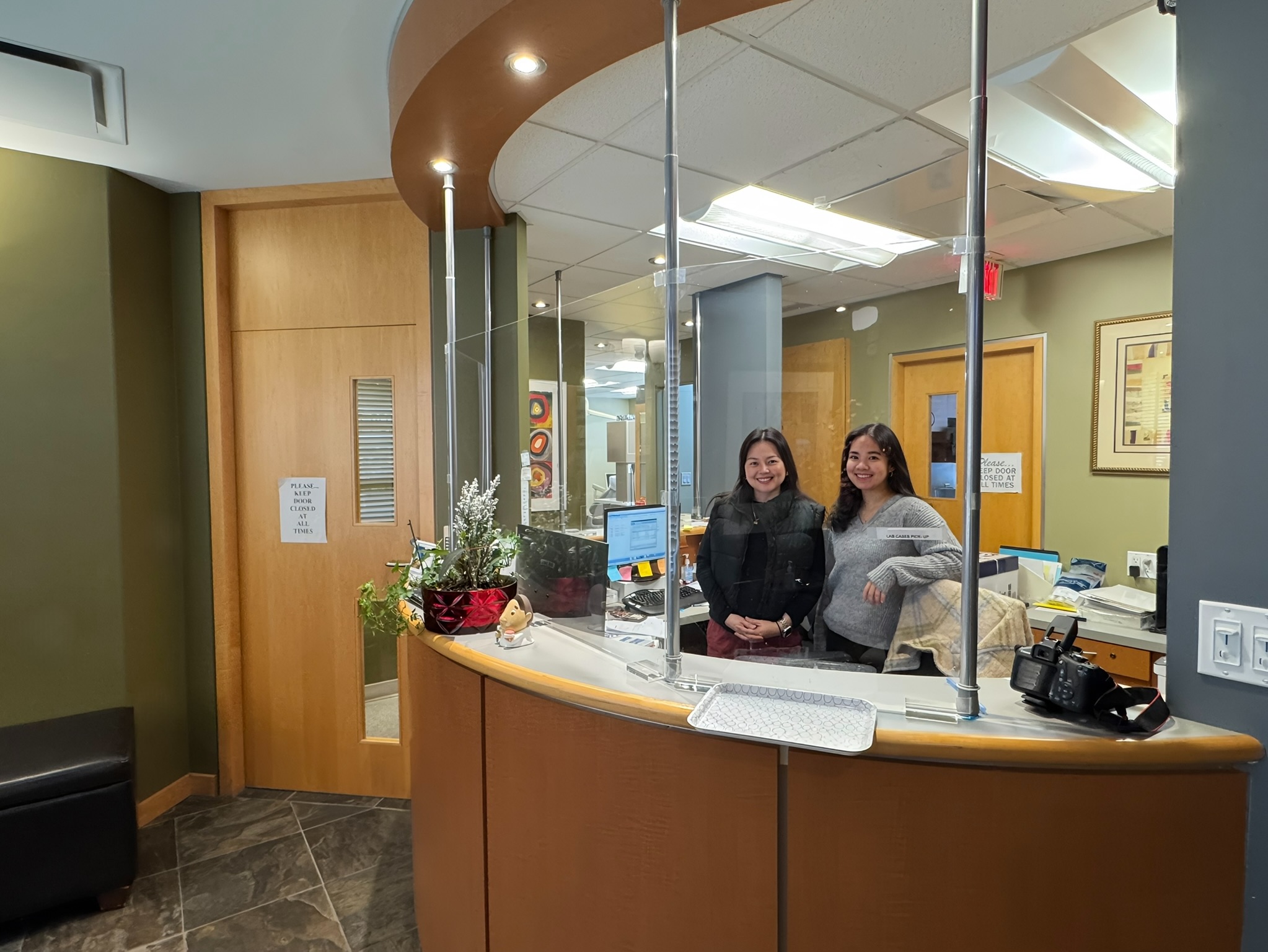
Whether you’re in Highgate, Middlegate, Edmonds, or anywhere along Kingsway, Burnaby South Dental is here to help — with honest advice, gentle treatment, and no lectures. We’re at 6975 Kingsway #2, Burnaby, steps from Highgate Village, open Monday to Saturday, 9:30 a.m. – 5:00 p.m.
📞 Call (604) 540-6000 or book your appointment online. If you’re in pain, tell us when you call — we keep time for urgent visits.
Learn more about our root canal therapy services.