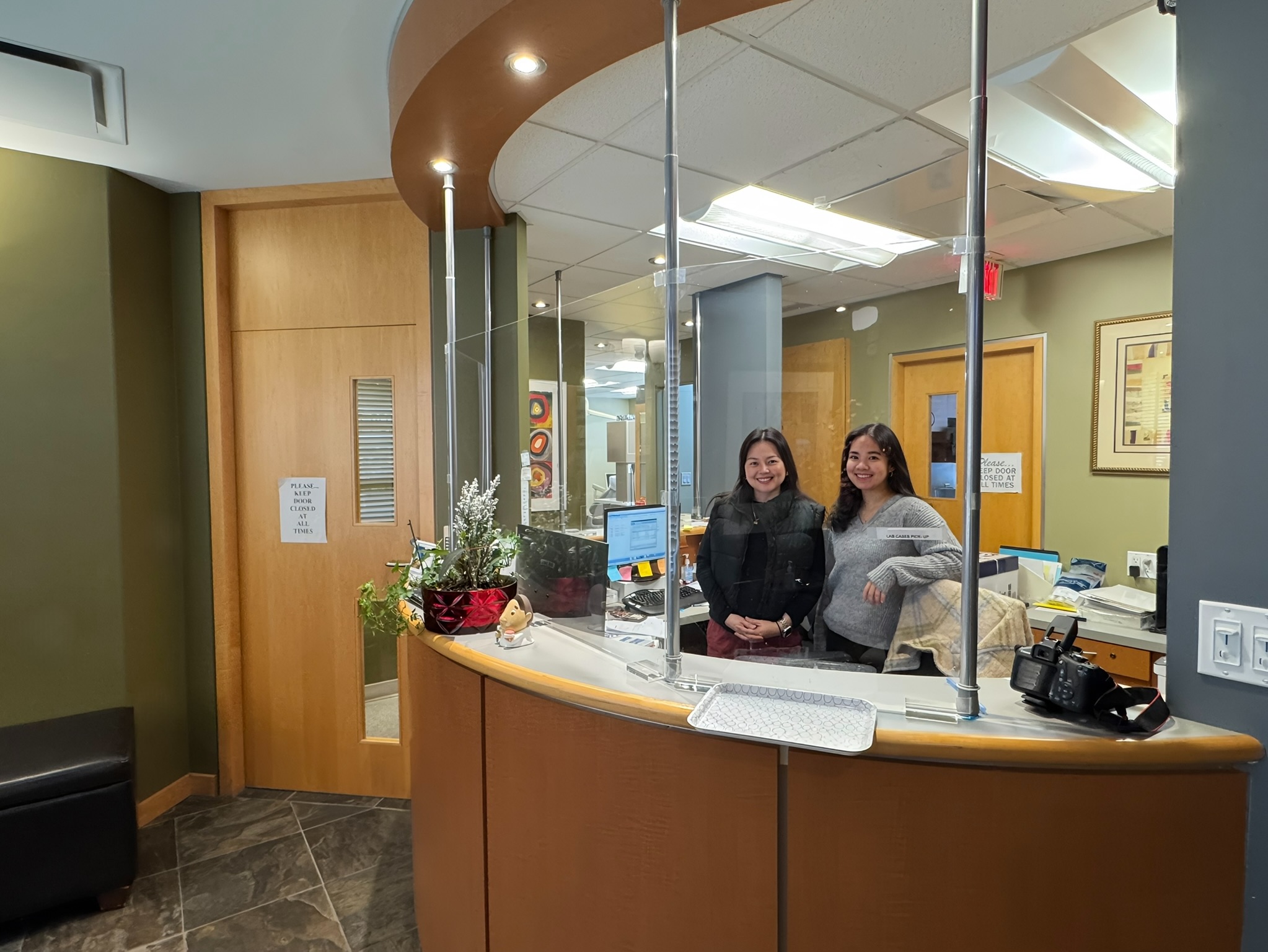
A little pink in the sink when you brush is easy to ignore. Most of us do. But bleeding gums are one of the earliest — and most overlooked — warning signs of gum disease, and they’re one of the most common things we see at Burnaby South Dental, our Highgate clinic at 6975 Kingsway.
The encouraging news is that in its early stage, gum disease is almost completely reversible. Caught later, it becomes the leading cause of tooth loss in Canadian adults. This guide explains what gum disease is, the signs to watch for, how your Burnaby dentist treats it at each stage, and the simple daily habits that keep it away for good.
What is gum disease, exactly?
Gum disease (the clinical term is periodontal disease) is an infection of the tissues that hold your teeth in place. It starts with plaque — the sticky film of bacteria that forms on your teeth every day. When plaque isn’t fully removed by brushing and flossing, it hardens into tartar, which can only be removed by a dental professional. The bacteria in plaque and tartar irritate the gums, and the body’s response to that irritation is what damages the gums and, eventually, the bone underneath.
There are two main stages:
Gingivitis — the early, reversible stage. Gums become red, puffy, and bleed easily, but the bone and fibres holding your teeth are still intact. With a professional cleaning and better home care, gingivitis can be fully reversed.
Periodontitis — the advanced stage. If gingivitis is left untreated, the infection spreads below the gumline. Gums pull away from the teeth, forming “pockets” that trap more bacteria. The bone that anchors your teeth slowly breaks down. This stage isn’t reversible, but it can be controlled and stabilized — the earlier we catch it, the more tooth and bone we save.
The warning signs to watch for
Gum disease is often painless until it’s advanced, which is exactly why it’s so easy to miss. Book an exam if you notice any of these:
- Gums that bleed when you brush or floss
- Red, swollen, or tender gums (healthy gums are firm and pale pink)
- Persistent bad breath or a bad taste that won’t go away
- Receding gums — teeth that look longer than they used to
- New sensitivity to hot or cold near the gumline
- Loose teeth, or teeth that seem to be shifting or spreading apart
- A change in how your teeth fit together when you bite
If your gums bleed for more than a week of careful brushing and flossing, that’s your cue to come in.
Who’s most at risk?
Anyone can develop gum disease, but some people are more prone to it. Smoking and vaping are the biggest risk factors — they also mask the bleeding that would otherwise warn you something’s wrong. Diabetes, pregnancy hormonal changes, certain medications that cause dry mouth, a family history of gum disease, and simply skipping regular cleanings all raise the risk. Many of our South Burnaby patients are surprised to learn how strongly gum health is linked to overall health: research connects untreated gum disease with heart disease, diabetes complications, and other conditions throughout the body.
How we treat gum disease at our Highgate clinic
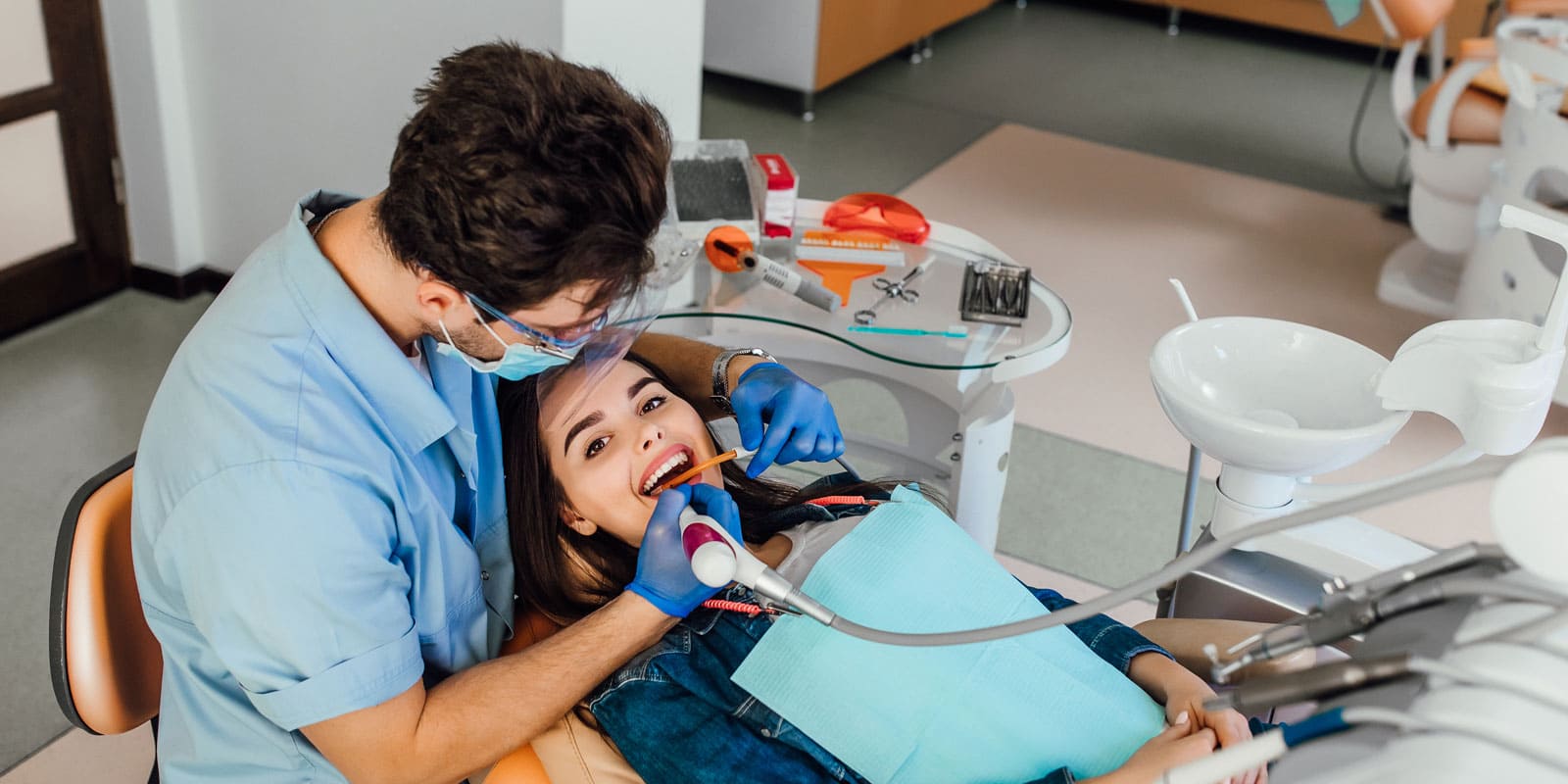
Treatment depends entirely on the stage, which is why a proper exam — including measuring your gum pockets and reviewing digital X-rays — comes first. Common options we offer include:
- Professional cleaning (scaling). For gingivitis, a thorough preventative cleaning to remove plaque and tartar is often all it takes to get gums healthy again.
- Scaling and root planing. A deeper, below-the-gumline cleaning that smooths the root surfaces so gums can reattach. This is the cornerstone of treating early-to-moderate periodontitis, and we keep you comfortable with local freezing.
- Targeted antibacterial therapy. Antimicrobial rinses or localized treatments to control infection in stubborn pockets.
- More frequent maintenance cleanings. Once gums are stabilized, a 3–4 month cleaning schedule keeps the disease from returning.
- Restorative care when needed. For teeth already affected, our restorative dentistry options help rebuild and protect your smile.
- Ongoing general care. Routine checkups through our general dentistry services catch any return of gum problems early.
We talk through every option — what it costs, how long it takes, and what it feels like — before anything begins. No surprises, no pressure.
How to prevent gum disease at home
The daily routine that prevents gum disease is refreshingly simple:
- Brush twice a day for two minutes with a soft-bristled brush, angled gently toward the gumline.
- Floss once a day — this is the single most important step for gum health, because it cleans the spots a brush can’t reach.
- Rinse with an antibacterial or fluoride mouthwash if your dentist recommends one.
- Don’t smoke or vape — quitting is the biggest favour you can do your gums.
- See your dentist every six months for a cleaning and exam, so plaque never gets the chance to harden into a problem.
Why patients choose our Highgate clinic
Burnaby South Dental sits right on Kingsway, a short walk from Highgate Village and just minutes from Middlegate, Edmonds Station, and Royal Oak. We care for families across South Burnaby, with:
- Direct billing to most major insurers
- Canadian Dental Care Plan (CDCP) patients welcome
- Evening and Saturday appointments
- A calm, judgment-free environment
- Modern, gentle techniques — including low-radiation digital X-rays
You can meet the Burnaby South Dental team on our about page, or book directly online any time.
Frequently asked questions
Is bleeding when I brush normal? No. Healthy gums don’t usually bleed during normal brushing or flossing. Occasional bleeding when you first start flossing again can be normal, but bleeding that continues beyond a week is an early sign of gingivitis and worth an exam.
Can gum disease be cured? Gingivitis — the early stage — can be completely reversed with a professional cleaning and good home care. Periodontitis, the advanced stage, can’t be reversed, but it can be controlled and stabilized so you keep your teeth. The earlier we treat it, the better the outcome.
Does treating gum disease hurt? Most cleanings, including deeper scaling and root planing, are done comfortably with local freezing. Many patients tell us it was far easier than they expected.
Does the Canadian Dental Care Plan cover gum treatment? CDCP covers many preventive and basic services, including cleanings and exams, with coverage details depending on your specific plan. Burnaby South Dental welcomes CDCP patients — bring your confirmation letter to your first visit and we’ll help you understand what’s covered.
How often should I get my teeth cleaned if I’ve had gum disease? Most patients do well with a cleaning every six months, but if you’ve had periodontitis we often recommend every three to four months to keep it from coming back.
Healthy gums start with one visit
Gum disease is one of the most preventable — and most treatable — problems in dentistry, as long as you don’t wait. Whether you’ve noticed a little bleeding lately or it’s simply been a while since your last cleaning, our team at Burnaby South Dental would love to help. If you’re dealing with sudden pain or swelling, our emergency dental services are available too.
📞 Call (604) 540-6000 📍 6975 Kingsway #2, Burnaby, BC V5E 1E5 🦷 Book online — new patients always welcome.
This blog is for general information only and is not a substitute for an exam by a licensed dentist. If you’re experiencing severe pain, swelling, or trauma, please contact us right away.